The Primetime Premium: Fading the NFL's Monday Night Overreaction in 2026
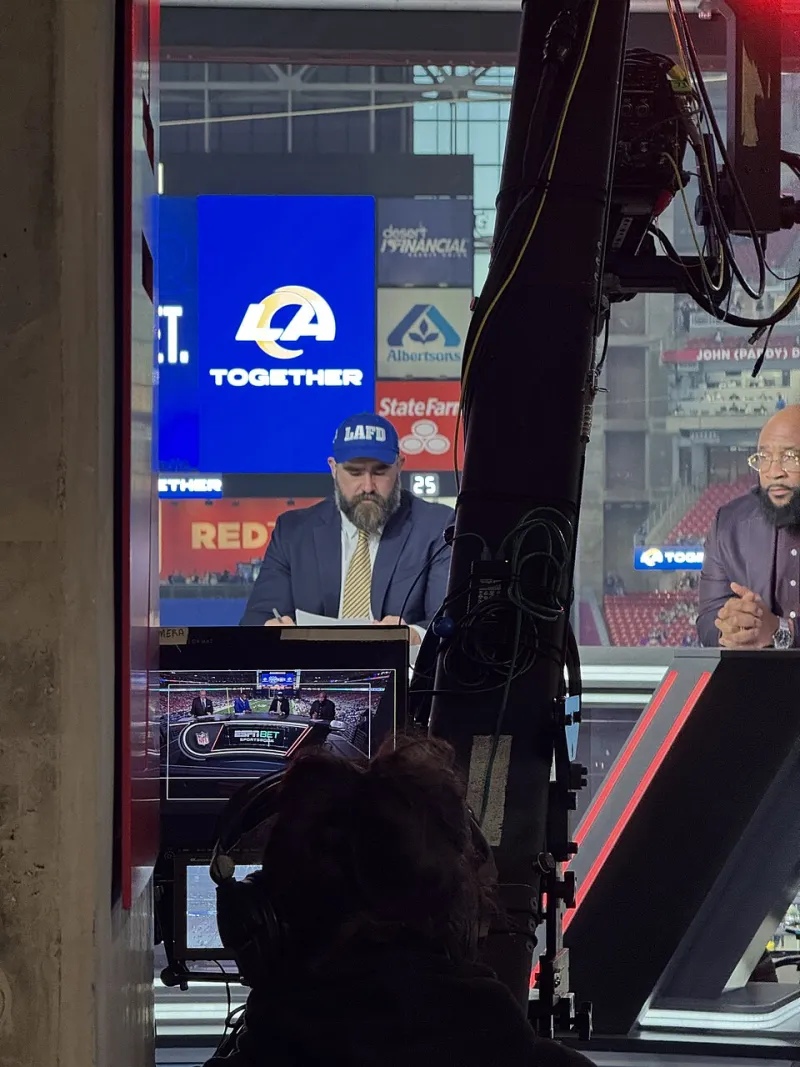
Photo: James Larrison from Scottsdale, AZ, USA, CC BY 2.0, via Wikimedia Commons
Every football fan in America watched the same game you did on Monday night. Maybe it was a 34-10 laugher with a backup quarterback sailing throws into the turf, or maybe a defensive score turned a one-possession game into a rout in about four minutes of game clock. Either way, the final scoreboard did what scoreboards do: it flattened 60 minutes of messy, situational football into one clean number. By Tuesday morning that number is everywhere. By Wednesday it's baked into next week's lines.
That's the primetime premium, and for anyone betting NFL spreads and totals, it's one of the more reliable inefficiencies on the board. Sportsbooks aren't naive. They know recreational money floods in after a national TV blowout, and they know the same viewer who watched the fourth quarter through their fingers is now convinced the losing team is cooked. The line moves to meet that opinion. The question is which part of the move is real and which part is just broadcast residue.
Why the Market Overcorrects After a Blowout
A standalone primetime game carries outsized emotional weight because it's the only NFL action on the slate. There's no 1 p.m. window to dilute the sample. No red-zone channel flipping. Just one game, one narrative, and roughly 15 hours of sports-talk programming to reinforce it before the next set of lines gets bet.
The result is a familiar pattern. The winning team gets a small bump in public trust, the losing team gets a bigger haircut, and the following week's spread drifts a point or two beyond where it would have opened if the same game had kicked off at 1 p.m. Sunday in front of a regional audience. Totals get the same treatment. A 13-10 game that turned into 27-10 on a pair of late turnovers gets priced like an offensive eruption, even though the underlying pace was slogging.
Sharp bettors don't ignore blowouts. They separate the scoreboard from the process. A team can lose by 24 and play better than the final margin suggests. A team can win by 21 and show cracks that the box score buries under celebratory graphics.
Three Signals the Line Is Inflated
First, check the garbage-time accounting. If a team was within one score entering the fourth quarter and then gave up two touchdowns in the final eight minutes, the final margin is doing a lot of heavy lifting. Books know this, but public money doesn't. That's where you find spreads that are a field goal too wide.
Second, look at turnover luck. A three-turnover differential in a primetime game feels like a talent gap. Usually it's variance wearing a costume. If the losing team moved the ball efficiently between the twenties and the winning team converted short fields into points, the next-week line may be pricing in a repeat that never comes.
Third, check the injury context. Primetime games get injury updates in real time, and a star leaving in the second quarter can distort both the score and the perception of the team. If the market treats a one-week absence like a season-ending issue, the following week's number can overcorrect in the other direction once the player is back at practice.
The 2026 Week 12 Checklist
Here's a practical audit for the next slate, built for how the 2026 season is playing out.
- Was the game ever competitive in the second half? If the answer is yes, treat the final margin as noise, not signal.
- Did the losing team's quarterback play badly, or did the offense around him collapse? A quarterback under pressure all night is a different problem than a quarterback missing open receivers. The market often prices both the same way.
- How much did the total move? A 44-point total that closed at 48 after a Thursday night shootout deserves a second look. The NFL's 2026 pace stats are not nearly as explosive as one national broadcast suggests.
- Is the next opponent a stylistic mismatch? A team that got gashed on the ground in primetime may face a pass-heavy opponent the following week. The market sometimes punishes the team without adjusting for the matchup.
- Where did the line open versus where it sits now? If the spread has moved two points on public action alone, you're probably looking at a number that has already absorbed the overreaction. The value may be on the other side.
Where the Value Actually Lives
The cleanest spots usually involve the losing team from a primetime blowout, especially when it's a home underdog the following week. Public bettors remember the embarrassment. The opposing team's fans remember the score. The number gets shaded a half-point or full point toward the team that just looked good on national TV. That's the premium you're fading.
The second-best spots are totals. Primetime blowouts often create an inflated total for the winning team's next game because the public assumes the offense has unlocked something. Unless the underlying efficiency numbers moved, that's usually a mirage. The market catches up eventually, but not before the recreational money settles in.
What you don't want to do is bet into the same overreaction. If the losing team looked genuinely broken — no pass rush, no run game, no answers on the offensive line — the market may be right. The premium isn't always wrong. It's just not always right either, and the difference is in the details.
The Tuesday-to-Thursday Window
One more note for 2026: the line-shopping window matters more than ever. Books that post early have to guess how the public will react to Monday night. Books that post later have already seen the money. If you're betting the overreaction, get in before the market fully forms. If you're fading it, wait for the public to finish pushing the number where it's going.
Either way, treat Monday night as a data point, not a verdict. The NFL season is long, the sample is small, and the scoreboard is a lousy narrator. Sharp odds, smarter bets — that's the whole game.