Garbage-Time Football, Real-Money Lines: Betting NFL Teams With Nothing Left in 2026
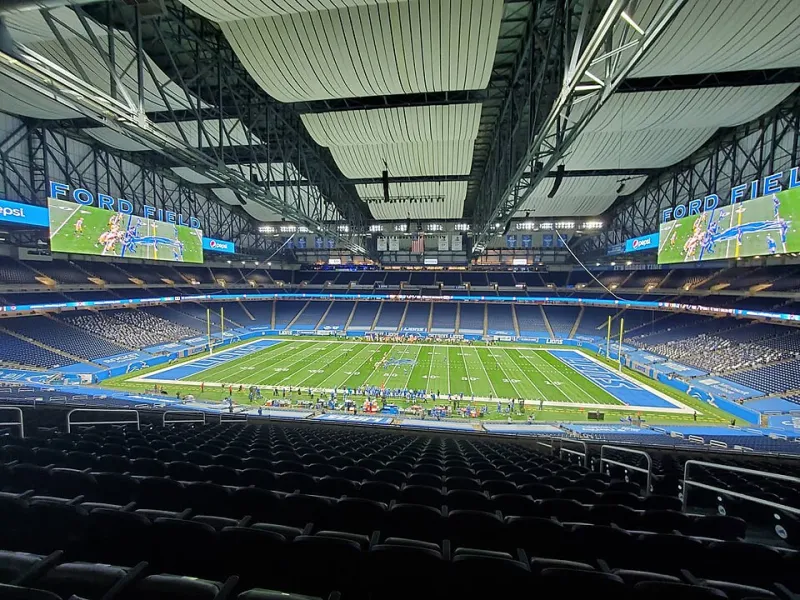
Photo: Dave Hogg from Royal Oak, MI, USA, CC BY 2.0, via Wikimedia Commons
By mid-November 2026, the NFL standings have that familiar split: contenders, bubble teams, and the clubs already circling the drain. The betting market moves fast to label that last group. Once a team's playoff probability drops into single digits, the spread starts carrying a story—"they've quit," "the locker room is gone," "the coach is toast." Sometimes that story is true. Often it's just the public's favorite shortcut.
At K89Bet, we'd rather price the actual football than the narrative. That's especially true in late-season games involving eliminated or nearly eliminated teams. The edges aren't always on the dead team. Sometimes they're on the favorite laying an inflated number. Let's walk through a practical framework for sorting the real motivation signals from the noise.
Elimination Is a Spectrum, Not a Switch
The first mistake is treating "eliminated" like a binary. In reality, teams sit on a spectrum: mathematically alive, practically cooked, and fully out. A club with a 4% playoff chance in Week 12 is not the same betting proposition as a club with a 0.2% chance. The first group still has a reason to play starters in the fourth quarter. The second group may be auditioning depth by December.
Check the actual numbers before you check the narrative. Division math matters, tiebreakers matter, and so does the schedule. A team that is technically alive because it needs three specific results in Week 17 is not really alive in the way the market sometimes assumes. Conversely, a team that is out of the race but playing a division rival may still bring a full effort—especially if the favorite has something to protect.
Coaches Don't Tank; Front Offices Do
Here's the late-season truth that public bettors routinely miss: players and coaches rarely try to lose. Jobs are on the line. Tape is being evaluated. A defensive coordinator who wants a head-coaching interview is not going to call a soft game plan because the team's draft slot might improve by two spots.
Tanking, when it happens, is more of a front-office behavior. It shows up in roster decisions—sitting a healthy veteran, placing a starter on injured reserve with a vague designation, or giving a third-string quarterback a look. Those moves matter to the spread. But they are not automatic. A team may have traded away its first-round pick, which removes the draft-position incentive entirely. Another team may be evaluating a young quarterback and therefore has every reason to stay competitive on offense.
The question is not "are they eliminated?" The question is "who inside the building still benefits from winning?" A head coach with two years left on his deal and a rookie QB might have more incentive to compete than a staff already told it will not return. Read the transaction wire and the injury report with that lens.
Roster Turnover Is a Signal, Not a Sentence
When an eliminated team starts shuffling the depth chart, the market reacts quickly. Sometimes too quickly. A new starting quarterback can be a downgrade, but he can also be an upgrade over a checked-out veteran. A banged-up offensive line is a real problem. A healthy line getting its first start together in three weeks can be a quiet upgrade the public hasn't priced.
Look for functional turnover versus cosmetic turnover. Functional turnover changes who throws, who protects, and who covers. Cosmetic turnover changes the bottom of the roster and special-teams snaps. The first kind matters to the number. The second kind is often just noise attached to a team that was already bad.
The Public Overpays for Last Week's Blowout
Late in the season, recency bias gets a turbo boost. A eliminated team that got smoked last week will see its next spread inflated. The public sees a quit job. The market sees a number that may already account for it. The sharper question is whether the matchup and spot explain the blowout better than the motivation story does.
This is where live underdogs show up. A team that is out of the race but back home, facing a favorite in a lookahead spot, can be a better bet than its record suggests. The same logic applies to favorites. A good team laying 10 points to a eliminated opponent may be asked to do too much if the favorite has a short week, a divisional game on deck, or a banged-up quarterback. The public pays for the mismatch narrative; the market sometimes charges a tax on it.
Spots Matter More Than Stakes
Once December arrives, scheduling becomes a bigger factor than pride. Rest differential, travel, Thursday games, and divisional familiarity all move the number. An eliminated team playing at home on extra rest is a different animal from the same team playing a cross-country road game on a short week.
Also check the favorite's incentives. A contender that already has its division wrapped up may rest starters late, but that usually happens in Week 18, not Week 13. Before then, the favorite is often still playing for seeding. That's why blindly fading every big favorite against a dead team is not a strategy—it's a coin flip with extra steps. The edge is in the specific spot, not the broad label.
A Late-Season Checklist
Before betting a game involving an eliminated or nearly eliminated team, run through a short list:
- Actual playoff odds: Is the team truly dead, or just unlikely?
- Coaching status: Is the staff auditioning for its next job or already out the door?
- Roster moves: Are the changes functional—QB, offensive line, pass rush—or cosmetic?
- Draft incentive: Does the team even control its own first-round pick?
- Schedule spot: Who is rested, who is traveling, and who is looking ahead?
- Line movement: Is the public pounding the favorite while the number stays flat or moves the other way?
That last item is often the tell. When a line doesn't move despite heavy public money on the favorite, the market is telling you something. It may not be a screaming edge, but it is a reason to slow down before paying the tax on a team that has "nothing to play for."
Bottom Line
Eliminated NFL teams are not automatically bad bets. They are mispriced bets when the public assumes motivation is zero and the roster tells a different story. The 2026 late-season market will give you chances to buy live underdogs and fade inflated favorites, but only if you separate actual incentives from the lazy "they've quit" label.
Sharp odds. Smarter bets. That's the whole game in November and December.