Fresh Legs, Stale Numbers: The 2026 NFL Post-Bye Market Audit
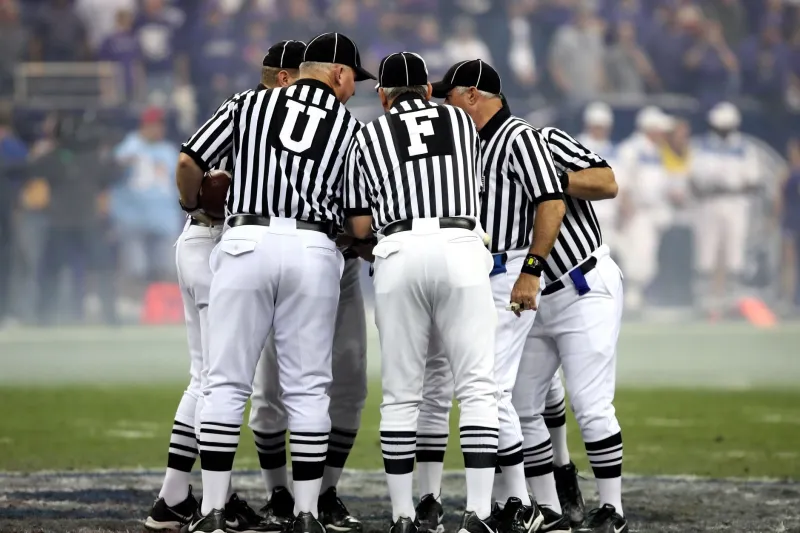
Photo: Jim Moore, CC BY 2.0, via Wikimedia Commons
As of Nov. 14, 2026, the NFL board is sliding into that late-season pocket where bye weeks, short weeks, and division rematches all show up at once. It is also the time of year when bettors start talking about fresh legs like it is a measurable stat. It is not. Rest is a variable. It is not a verdict. And in the 2026 post-bye market, the gap between what rest actually does and what the number says it does is where the value lives.
The bye bump is a story, not a signal
Every November, a team comes off its bye and the line tells a neat little story. The team was -2.5 before the break. It opens -4 after. The public sees a rested roster, a coach who had an extra week to self-scout, and a squad that is supposedly about to look faster. Money follows the story. The number moves again.
At K89Bet, sharp odds and smarter bets mean asking a simple question before you pay for that story: what changed besides sleep? If the answer is nothing beyond the calendar, you are probably buying a narrative tax. A bye can help a team get healthy. It can help a staff fix a protection issue or clean up third-down packages. It does not automatically add a field goal to the spread.
The lazy version of post-bye handicapping is to look at a team's record before the bye, assume the break fixed the problems, and bet the rested side. The sharper version is to compare pre-bye efficiency with post-bye efficiency, then ask whether the market has already priced the improvement. Most of the time, it has. Sometimes it has priced more than the improvement is worth.
What actually changes after a bye
Start with health, but do not stop there. A bye gets starters back on the field, yet questionable is still questionable. A receiver returning from a hamstring issue may play 60 percent of snaps. A left tackle may be active but not full speed. The injury report tells you who is available. It does not tell you who is effective.
Next, look at scheme and self-scouting. A bye week is a mini offseason. Coaches can add a wrinkle, change a protection call, or reshuffle the red-zone menu. That matters, but it is usually a small adjustment, not a personality transplant. A bad offense can become average after a bye. It rarely becomes explosive because the staff had an extra meeting.
Then check the schedule. A team off a bye is not always walking into a soft spot. It might be facing an opponent coming off a short week, or it might be the one traveling cross-country. Rest is relative. If both teams are rested, the bye angle mostly evaporates. If the rested team is on the road against a division opponent that just found its running game, the market may still be charging for freshness that will not matter by the second quarter.
Finally, respect sample size. One post-bye game is noise. A team can look amazing after a bye because it played a bad opponent, or awful because it ran into a bad matchup. The market often overreacts to the first post-bye result, which creates a second-layer opportunity the following week.
Where spreads and totals overadjust
The spread overadjustment usually shows up in the opener. Books know the public wants to bet the rested team, especially if it is a brand-name contender. So the number gets shaded. That does not mean the rested team is a bad bet. It means you need a bigger edge to take it. If the line has already moved a point and a half on nothing but bye-week chatter, the value may be on the other side.
Totals are even trickier. The public associates rest with energy, and energy with points. In reality, a bye can help a defense get healthy and fix communication issues. Late-season division games also tend to be more familiar and lower-scoring. If a total jumps two or three points after a bye with no meaningful injury news, ask who is supposed to score all those extra points. If the answer is fresh legs, lean under.
The 2026 late-November board: four spots to audit
You do not need a list of every bye team to use this. You need to recognize the shapes. In the 2026 late-November cluster, watch for these four post-bye profiles.
1. The contender laying a full touchdown
This is the classic public tax. A playoff-caliber team comes off its bye, opens -7 or more against a division opponent, and the world assumes a blowout. If the opponent has a functional offense and the rested team was already overvalued before the bye, take the points or pass. You are not betting against rest. You are betting against the price of rest.
2. The road favorite off a bye
Travel matters. A rested team flying across the country is still flying across the country. If the line sits above a field goal and the home dog has a healthy defense, the dog is live. The bye helps the favorite's body. It does not help the favorite's body clock.
3. The home dog coming off rest
This is the quieter side of the angle. A home team off a bye, catching points against an opponent on a short week, can be a real value if its defense is getting healthy. The public rarely races to bet this side. The number often stays fair or drifts toward the favorite. That is where a rested team's real advantages, preparation and health, can outrun the market's attention.
4. The total that moved without news
If a total moved 2.5 points or more after a bye and the only explanation is rest, treat it as an overreaction until proven otherwise. Check the weather, check the injury report, check the quarterback. If nothing else changed, the under is worth a look.
How to bet it without overthinking it
Wait for the opener if you want to fade the public side. Bet early if you like the rested team and expect the number to keep moving. Compare pre-bye and post-bye efficiency, not just points. Use EPA per play, success rate, pressure rate, and red-zone trips. A team that was moving the ball before the bye is more trustworthy than a team that got lucky in one post-bye spot.
And keep the stakes boring. This is a market angle, not a magic trick. The post-bye bounce trap is real because rest is real, but it is also a story the market tells every year. Your job is to figure out whether the story is already in the number. At K89Bet, the best bet is usually the one where you are not paying for the headline.