Flexed Out: Finding Stale NFL Lines Before the Sunday Night Lights
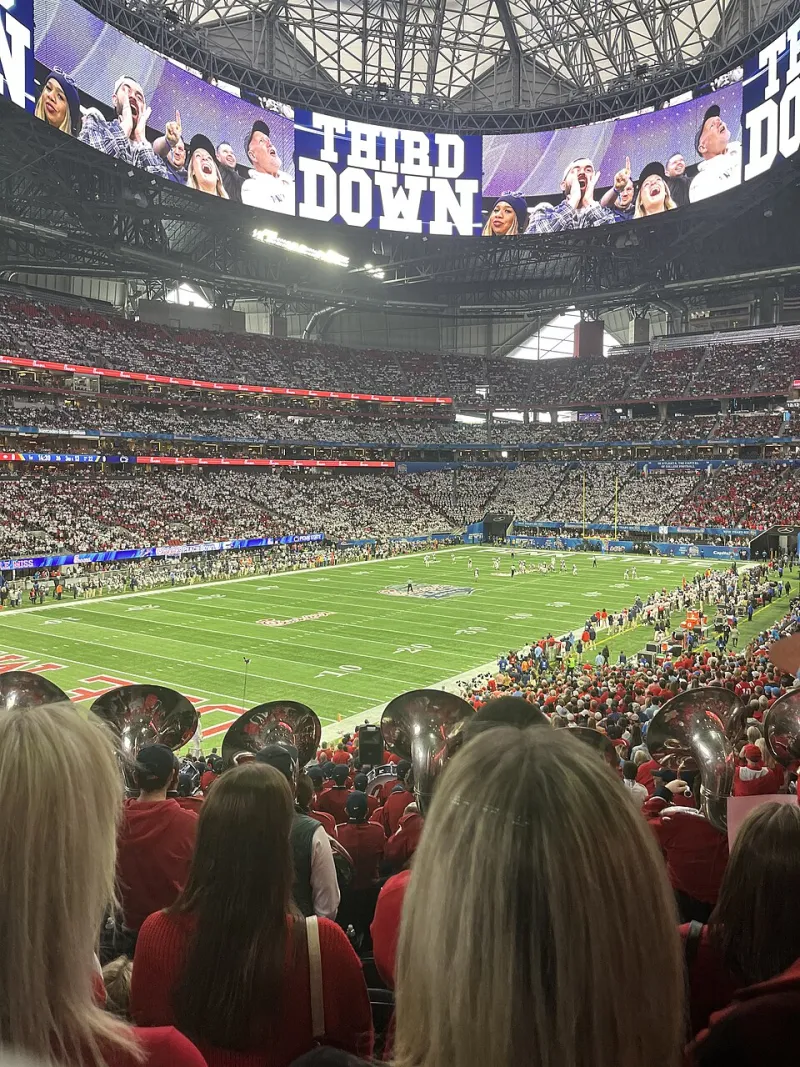
Photo: Marycollinsc, CC0, via Wikimedia Commons
The NFL schedule is not a fixed document. In the late-season window, the league can slide a Sunday afternoon game into Sunday Night Football, and that one administrative decision ripples through every betting market attached to the game. Most bettors see the announcement and think only about the matchup. The sharper question is simpler: which numbers were priced for a 1 p.m. ET kickoff and have not been fully repriced for the prime-time slot?
That is the flex-schedule edge in a nutshell. It is not about predicting the flex. It is about recognizing that the market often treats a kickoff change as a cosmetic update when it is really a new information event. At K89Bet, we care about the price you pay, not the highlight package that comes with it.
The Schedule Changes Before the Line Does
Most flex decisions arrive with roughly 12 days of notice. That gives sportsbooks plenty of time to adjust, but plenty of time is not the same as perfectly. Early in the week, you can still find books and derivative markets carrying numbers built around the old time slot. The main spread may be sharp. The team totals, first-half lines, and player props can lag behind.
This is the first place to look. If a game moves from the afternoon window to Sunday night, the main market gets the attention. The secondary markets get the leftovers. That is where a stale number can survive longer than it should.
Why Prime-Time Moves Are Not Always Football Moves
A kickoff change affects more than TV listings. It changes weather exposure, rest and travel routines, and the type of money that lands on the game.
Late in the 2026 season, weather matters. A 1 p.m. kickoff in Chicago or Buffalo can be a wind tunnel. The same game at night can be colder, calmer, or worse. If the total was priced for an afternoon forecast and the forecast shifts with the clock, the number may be stale even if the teams have not changed. That is a football reason to adjust a total. It is also a reason to check the forecast before you assume the market has already done the work.
The betting public also changes with the time slot. Sunday night games draw more casual money, more parlay legs, and more attention from people who were not planning to bet the game at lunchtime. Books know this. They may build a prime-time tax into the favorite or the over before the public even shows up. That tax is not value. It is the cost of being the most visible game on the board.
The Markets That Lag Behind the Kickoff Switch
Not every market reacts at the same speed. The main spread and moneyline usually move first because they are the easiest to reprice and the most heavily traded. Totals often move next, especially when weather is part of the story. The slower markets are the ones that require more work: first-half spreads, team totals, alternate totals, and player props.
Those slower markets are not automatically soft. They are simply less efficient. A sportsbook that has already moved the full-game spread may still be working through its first-half number. A book that has adjusted the total for a night kickoff may not have adjusted the longest field goal market or the passing-yard props. That does not mean you should bet every lagging number. It means you should compare the old price to the new information and ask a direct question: did this market move because of football, or did it move because the game got a brighter spotlight?
A Practical Flex-Week Checklist
Start with the old kickoff. Write down the pre-flex spread and total if you can find them. Then compare them to the current numbers. If the line has moved more than the football reasons justify, do not chase it. If it has barely moved, check whether the book is simply slow or whether the market has already decided the time change does not matter.
Next, separate the football changes from the television changes. Weather is football. Travel is football. A short week is football. Prime-time attention is not football. It is a betting pattern. You can account for it, but you should not pay full price for it.
Then shop the market. A stale line at one book is not a market-wide edge. It is a book-specific opportunity. Compare the main number, the total, and at least one derivative market. If the same side is available at a better price somewhere else, the slow book is not offering value. It is just offering a number you should have already beaten.
Finally, decide whether you are betting the adjustment or the hype. If you like the side, the best time is often before the prime-time money arrives, not after the broadcast crew has spent two hours telling everyone how important the game is. If you like the over because the game is now on Sunday night, ask what actually changed. A brighter stage does not automatically mean more points.
The Bottom Line: Bet the Adjustment, Not the Hype
Flex scheduling creates a small, repeatable window. The NFL moves a game. The market reprices. Some markets reprices faster than others. The bettor who understands the difference can find a stale spread or total before the public piles in. The bettor who simply follows the prime-time spotlight usually pays for the privilege.
That is the flex-schedule arbitrage in plain English. It is not glamorous. It is just a schedule change, a slower market, and a price that has not caught up. In late-season NFL betting, that is often enough. Bet responsibly, and remember that the best number is the one you can explain without borrowing the broadcast narrative.