Blowout Echoes: How to Bet Conference Title Rematches Without Trusting the First Box Score
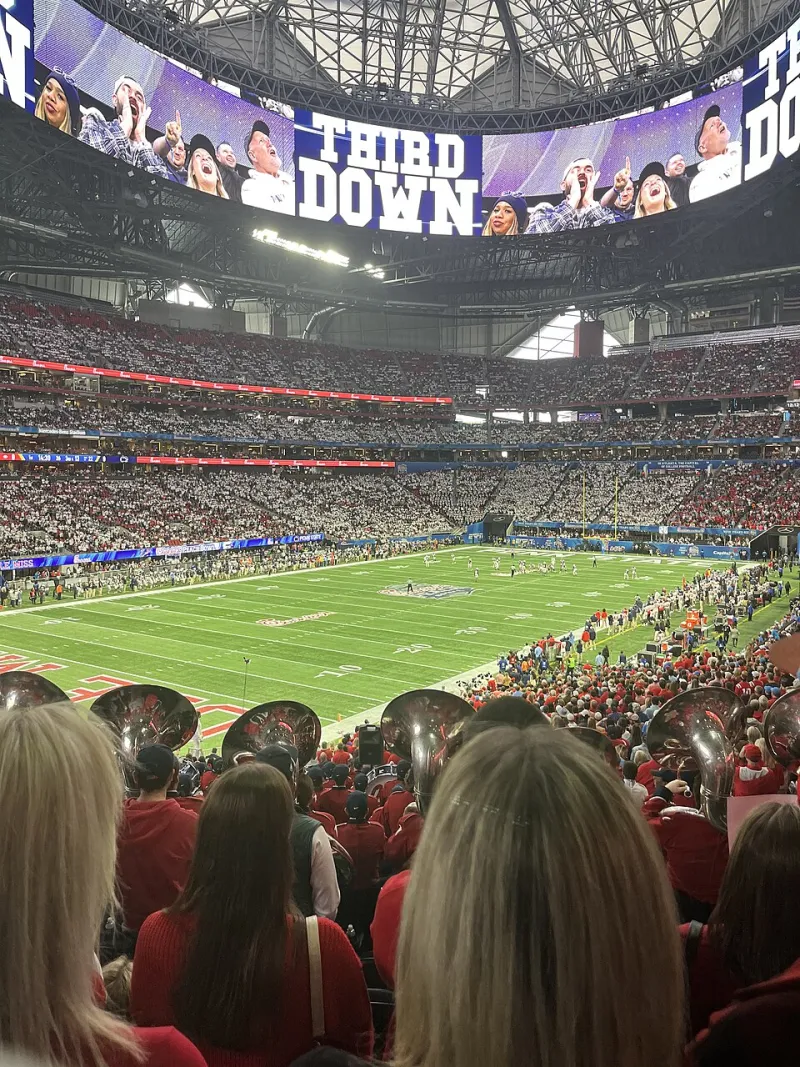
Photo: Marycollinsc, CC0, via Wikimedia Commons
Conference championship week is one of the best betting weekends on the college football calendar, but it comes with a built-in trap: familiar matchups. When two teams already played in the regular season, the market loves to tell a simple story. If the first game was a blowout, that story practically writes itself. The favorite is still faster, the underdog is still overmatched, and the number should probably look a lot like it did the first time. That is a comfortable narrative. It is also how bettors end up paying for a box score that no longer describes the teams on the field.
The First Meeting Is a Trailer, Not the Movie
A regular-season blowout is useful information, but it is not a complete scouting report. Garbage-time touchdowns, a short-field touchdown drive after a special teams mistake, and a couple of busted coverages can turn a competitive game into a final score that looks like a mismatch. The rematch market tends to remember the final margin and forget the sequence.
That matters even more in December 2026, when conference title games carry neutral-site conditions and College Football Playoff stakes. The first meeting happened in a specific stadium, with a specific crowd, and often with a specific weather forecast. The rematch will have a different backdrop. If the line is built mostly on the first result, the bettor who does the sequencing work has an edge.
Start with the obvious question: was the blowout repeatable? A team that won by 28 because it averaged 8.5 yards per play and forced four turnovers is different from a team that won by 28 because it returned a kickoff for a score and recovered two fumbles. Turnovers are volatile. Explosive plays are more stable. Pressure rates and third-down conversion margins sit somewhere in between. The goal is not to dismiss the first result. It is to figure out which parts of it were signal and which parts were noise.
Where Blowouts Actually Lie
Not every lopsided result is flimsy. Some blowouts are honest. If one team dominated the line of scrimmage on both sides and the losing quarterback was under pressure on nearly every dropback, the rematch deserves a healthy dose of respect. The market may be right to keep the favorite priced near the original number.
The trouble starts when bettors treat every blowout the same way. A 31-10 final can hide a 17-10 game entering the fourth quarter. A 42-21 final can hide a 21-14 game with six minutes left. If the favorite needed a late pick-six and a garbage-time touchdown to pull away, the underlying game was closer than the scoreboard suggests. Those are the spots where the rematch line can overcorrect.
Look at the drive charts, not just the box score. How many possessions were truly competitive? Did the underdog move the ball before the game got out of hand? Did the favorite's offense rely on short fields? Did the underdog abandon the run early because it was chasing points? These details help you decide whether the first meeting was a true talent gap or a one-off result dressed up as a trend.
Injuries and Roles Change the Math
One of the biggest mistakes in rematch betting is assuming the same players will be available in the same roles. By early December, depth charts have changed. A receiver who was the third option in September might be the primary target now. A linebacker who missed the first meeting could be back. An offensive lineman who was healthy in the first game might be out.
That cuts both ways. The market may already have adjusted for a major injury, but it often lags on smaller role changes. If the underdog's quarterback played the first meeting before a midseason coordinator change, the rematch tape could be misleading. If the favorite's running back workload has shifted dramatically, the first meeting's rushing numbers might not translate.
Before betting the rematch, build a quick availability map. Who is new? Who is out? Who is playing a different snap count? And maybe most importantly, which team has improved in the areas that caused the first blowout? A team that could not protect the passer in October might have fixed the protection scheme by December. A team that could not stop the run might have found a rotation that works.
Neutral Sites Strip Away Comfort
Conference championship games are not true road games, but they are not true home games either. The crowd split matters. A favorite that played the first meeting at home may not get the same pre-snap communication advantages on a neutral field. The underdog may travel better than expected, especially if the fan base smells a CFP berth.
Weather is another variable. A December game in a dome is a different environment from a cold-weather regular-season matchup. Wind and rain can shrink the playbook. If the first meeting was played in perfect conditions and the rematch forecast is messy, the total and the spread both deserve a second look. The market sometimes prices the rematch as if the first game's conditions will travel with the teams. They do not.
CFP Stakes Are a Variable, Not a Cheat Code
December championship games come with motivation angles, but motivation is not a magic formula. Both teams usually have something to play for. The favorite may be protecting a playoff seed. The underdog may be playing for a conference title and a résumé boost. Those incentives can affect play-calling, but they are hard to quantify in a spread.
The better approach is to ask how the stakes change behavior. Does a team need style points? Does it need to shorten the game? Is the underdog more likely to empty the playbook? Those questions matter more than a vague narrative about who wants it more. At K89Bet, the goal is to bet numbers, not feelings, and championship week is full of feelings.
The K89Bet Checklist for Rematch Week
Before you touch a conference title rematch, run through five quick checks:
- Was the first game a true blowout or a scoreboard blowout? Check drive charts and competitive possessions.
- What changed in the depth chart, scheme, or coaching staff since the first meeting?
- Did the first meeting happen in conditions that will not repeat on a neutral field?
- Is the market pricing the first result or the current teams?
- Does the CFP picture create a tactical incentive that is not already baked into the number?
If the answer to those questions still points to the favorite, fine. Not every rematch is a fade. But if the line is inflated because the public remembers the first score and ignores the context, the underdog or the under may be the smarter side.
Bottom Line
Conference championship rematches are not automatically about revenge, and they are not automatically about the first result. They are about information. The first meeting gives you a data point, but December gives you a new set of variables. Bet the current matchup, not the memory of the old one. That is where the second-hand spread gets interesting, and that is where disciplined bettors can find value before the market fully catches up.