Follow the Money, Not the Noise: A Week 11 NFL Line-Movement Field Guide
Week 11 of the 2026 NFL season is the point where the betting board starts to get noisy. By mid-November, every sportsbook has a narrative, every group chat has a lock, and every highlight show has a hot take. K89Bet prefers a quieter approach: follow the money, not the noise. Sharp odds are not about guessing the final score. They are about spotting when the price is wrong and knowing whether the market has already corrected it.
Start With the Opening Line, Not the Screaming Headline
The opening line is the market's first draft. It is not always right, but it is usually honest. Before you look at public betting percentages, compare the open to the current number. If a line has moved from -2.5 to -3.5, ask why. If 65% of tickets are on one side but the line is moving the other way, that is a clue. Ticket count tells you where casual money is landing. Handle tells you where the bigger money is going. When those two disagree, pay attention.
Key numbers matter, especially 3 and 7. A move from -2.5 to -3 is more meaningful than a move from -3.5 to -4. Crossing the 3 can flip pushes into losses and change strategy. Steam moves are another signal: a sudden, coordinated line jump across multiple books often means sharp money hit the market fast. You do not have to chase it. You just need to recognize it before you bet.
Closing-line value, or CLV, is the best long-term scorecard. If you bet a team at -2.5 and the line closes at -4, you got a good number even if the bet loses. If you bet at -4 and it closes at -3, you paid too much. K89Bet's odds board is built for this kind of comparison: timestamp the line, note the juice, and check whether the move is public-driven or sharp-driven.
Buffalo at Kansas City: The Classic Reverse Line Movement
Picture an early Week 11 board with Kansas City opened at -2.5 against Buffalo. By Wednesday, the line is -3.5, but public tickets are leaning toward the Bills. That is reverse line movement. The public sees a live underdog and a popular quarterback. The market moves toward the home favorite anyway. That usually means respected money took the Chiefs early and forced the number up.
The key is the 3. If you can still find Kansas City -3 at -115 while the market is sitting at -3.5, that is a better price than the screen suggests. If the board is already at -3.5, do not talk yourself into a bad number just because you like the side. Wait for a live opportunity, look for a alternate spread, or pass. Sharp bettors are not required to bet every game.
Also check the total. If the total is dropping while the public leans over, that is another sign of professional under money. A lower total can support a favorite that wants to control pace. But do not overfit one signal. Injuries, weather, and offensive-line news can explain the same move. The K89Bet approach is to stack clues, not marry a narrative.
Philadelphia at Dallas: When the Public Is Right but Late
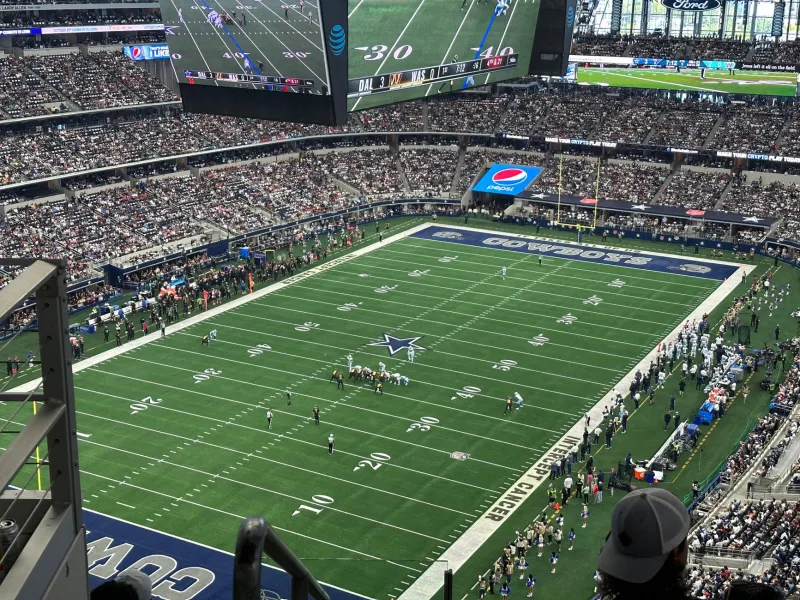
Not every line move is a trap. Sometimes the public is on the right side and the market confirms it. Say Philadelphia opens -1.5 at Dallas and moves to -2.5 with 72% of tickets on the Eagles. If the handle is also flowing to Philadelphia, the move is less mysterious. The market is adjusting to a real edge, not just a popular team.
But late money is still late money. If you liked the Eagles at -1.5, taking them at -2.5 is a different bet. The price has changed. In a divisional game with a low total, the extra point matters. Dallas as a home underdog can also attract sharp buy-back if the public pushes the line too far. That is why K89Bet's odds board shows both sides and the juice, not just the spread. A -2.5 at -105 is not the same as -2.5 at -120.
Before kickoff, check the injury report and the market reaction. If a key lineman is ruled out and the line does not move, the market may have already priced it. If the line moves on old news, you are probably late. The goal is not to be first. The goal is to avoid being last.
San Francisco at Seattle: Totals and Weather Steam
Line movement is not only about spreads. Totals can reveal sharp money just as clearly. Imagine San Francisco at Seattle opens with a total of 46.5. Public tickets lean over, but by Friday the total is down to 44.5. That is a four-point move against public opinion. If the forecast calls for rain and wind, the move makes sense. If the forecast is clean, the move may be injury-driven or scheme-driven.
Totals often move on key numbers like 44, 45, and 47. A drop from 46.5 to 44.5 crosses multiple thresholds. If you like the under, getting 46.5 early was the sharp play. At 44.5, the edge may be gone. If you like the over, you are now fighting the market. That does not mean the over cannot cash. It means you need a better reason than a gut feeling.
This is where the K89Bet odds board helps. Compare the open, the current number, and the juice. If the under is -110 at 44.5 but the over is +100, the market is telling you something. You do not have to agree. You just have to respect the price.
How to Use the K89Bet Board Without Chasing Hype
First, write down the opening line. Then track the current line and the juice. Next, check public betting percentages and, if available, handle. Look for disagreement. Finally, ask whether the move has already created value or destroyed it.
A simple routine works: open the K89Bet odds board, timestamp the lines, and flag any game that moved more than a point or crossed a key number. Set alerts for steam moves. Shop for the best number before you bet. And keep your unit size steady. One or two percent of your bankroll per play is a reasonable guardrail for most casual bettors.
Sharp odds, not hot takes, means accepting that the best bet is sometimes no bet. The market is not always right, but it is always talking. Week 11 is a good time to listen.