Bubble Wrap: The Case Against Paying Full Price for Every 5-5 Team in Late November

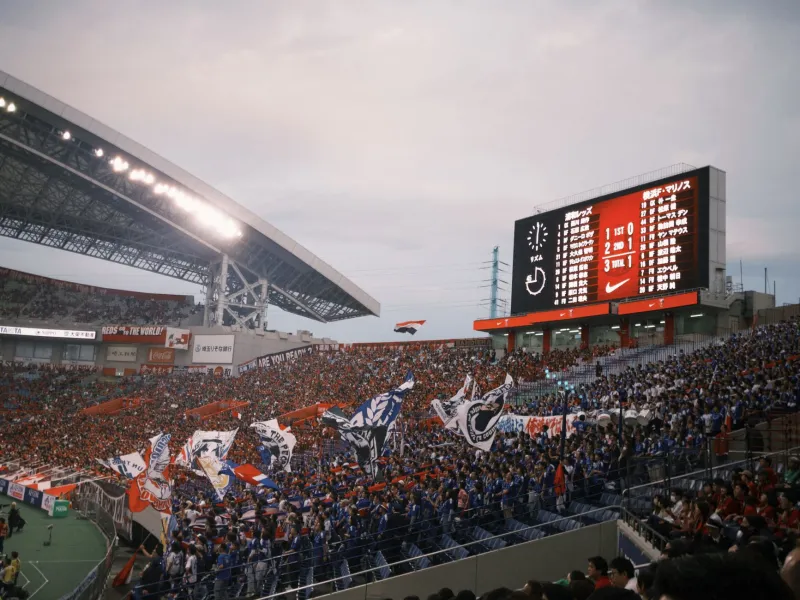
Photo by Photo by Alex Korolkoff on Unsplash on Unsplash
Every November, college football's strangest market emerges: the 5-5 team with a pulse. It does not matter whether the team has covered three spreads all season or whether its quarterback is held together by tape. Once the graphic says 'win one more for a bowl,' the public starts treating that program like a live dog with a secret. That is the bowl-eligibility premium, and it is one of the most reliable storylines in the sport.
The problem is that stories are not prices. Sportsbooks know a 5-5 team is desperate. They know the broadcast crew will mention it 14 times before halftime. They know casual bettors will hammer the moneyline because 'they want it more.' By the time you open the app, the number has usually been adjusted. The real question in late November 2026 is not whether bowl eligibility matters. It is whether the market has already charged you too much for it.
The Premium Is Real, Just Not Always Profitable
Let us start with the obvious: motivation is not a myth. A 5-5 team playing a 3-7 opponent has something concrete to play for. Extra practices, a bowl trip, a better December, and a recruiting pitch all matter. Coaches will say the right things, and seniors will play harder. That is real.
But the betting market is not a bunch of people who just discovered football. The same bowl-eligibility angle you see on a preview show is baked into the opening line. If a 5-5 home team would normally be a 4-point favorite based on pure power ratings, the market might open at 6. The public sees 6 and still thinks it is a bargain because of the 'must-win' tag. That is where the edge flips.
At K89Bet, we treat late-November college football like a price-checking exercise. The narrative is the starting point, not the conclusion. If you cannot explain why the 5-5 team is undervalued beyond 'they need it more,' you are probably paying retail.
Motivation Is a Roster Question, Not a Press Conference
The most overrated phrase in November is 'they want it more.' Wanting it more is not a measurable stat. A banged-up linebacker room and a backup left tackle are. A 5-5 team can be desperate and still unable to protect the quarterback.
This is where late-season injury news matters more than the bowl-eligibility graphic. Check the depth chart. Check whether the starting quarterback is practicing. Check whether the team is on its third center or whether its best receiver has been limited for a month. A desperate team with a healthy roster is a different bet than a desperate team limping to the finish.
Coaching changes cut both ways, too. A midseason firing can spark a roster for a week, but the emotional bounce is not a permanent upgrade. Sometimes a lame-duck staff loses the locker room. Sometimes an interim coach simplifies the game plan and the team plays freer. The market often overreacts to the first version of that story and ignores the second.
Schedule Spots Beat Bowl Hype
Late November is a situational minefield. Short weeks, long travel, rivalry lookaheads, and senior-day emotions all get priced into the number, but not always correctly. A 5-5 team hosting its final home game on senior day is a popular bet. A 5-5 team playing a road game on a short week after an emotional rivalry win is a popular bet for the wrong reasons.
Ask three questions before you buy the bubble:
- Is the opponent also desperate? If both teams are 5-5, the motivation angle mostly cancels. You are back to handicapping talent, health, and matchup.
- Is the 5-5 team actually good? A 5-5 record can hide a 7-3 team that lost three one-score games, or a 4-6 team that won three games by a combined eight points. Turnover margin and one-score luck matter.
- Is the price already inflated? Compare the current line to your own power rating. If the bowl-eligibility tax is more than a field goal, you need a very good reason to pay it.
The Market's Tell: When the Line Does Not Move
One of the easiest ways to spot narrative inflation is to watch the line movement. If a 5-5 team is getting 75 percent of public tickets and the spread stays flat or moves against the public, that tells you sharp money is on the other side. The book is not scared of the must-win story. It is inviting more of it.
That does not mean you should blindly fade every popular 5-5 team. Reverse line movement is a signal, not a religion. But in late November, it is a useful filter. When everyone is talking about bowl eligibility and the number refuses to budge, the market is telling you the premium is already paid.
Where the Fade Usually Lives
The cleanest fades are not always the obvious 5-5 home teams on senior day. Those spots can be legitimate. The softer edges often show up with 5-5 road teams getting public love, or 5-6 teams in a 'must-win' game against an opponent with more talent and less narrative pressure. The public sees desperation. The market sees a team that has been below average for three months.
Another spot to watch: a 5-5 team coming off an emotional win against a rival, now laying points on a short week. The bowl-eligibility story is loud, but the roster is tired and the opponent has had extra time to prepare. That is the kind of late-November setup where the 'win one more' premium gets expensive.
The Bottom Line
Bowl eligibility matters. It just does not matter more than the number. The public will keep falling for the 5-5 team with a story, and sportsbooks will keep pricing that story into the line. Your job is to figure out whether the market has overcharged for the narrative or whether there is a genuine motivational edge hiding underneath it.
Shop the best line, check the injury report, and do not pay full price for desperation. The bubble is a betting angle, not a birthright. Treat it that way and late November gets a lot less sentimental and a lot more profitable.